TESLAbikář Part 36 - 10 Amazing Facts You (Maybe) Didn't Know About Light!
Prepare yourself for a journey into the world of light that will show you that illumination is not just about practicality – it is one of the most amazing physical phenomena that surround us.
Every day we turn on dozens of lamps, switch between warm and cool light, go out into the sun, or create a cozy atmosphere for dinner. Light is such a natural part of our lives that we don't even think about it. But what if someone told you that every ray around you hides fascinating science and surprising properties?
1. Light is a source of vitamin D
Sunlight contains UVB rays, which triggers the creation in our skin Vitamin D. It is essential for strong bones, a robust immune system, and overall vitality. But beware – excessive exposure to UV radiation can be harmful, so balance is important. Special UV lamps are used in northern countries during the long winter months for treatment Seasonal depression.
2. Light is not always visible
What we perceive as visible light is only a small piece electromagnetic spectrum. Above it is hidden ultraviolet radiation, underneath it infrared rays. Although we don't see them, they constantly affect us – from tanning to the functioning of remote controls. Infrared light creates a feeling of warmth that we feel from a fireplace or radiator.
3. The morning is bread
We see it as an arc, but it is actually a rainbow perfect circle. From the ground, the horizon blocks our view, so we only see a part of it. If you're lucky and observe a rainbow from an airplane or high mountains, you might see its entire circular shape. This principle also inspires designers when creating spectacular lighting effects.
4. Our mood depends on the light
Our biological clock They are programmed according to light. Cold white light supports vigilance and concentration, while warm shades They induce a sense of well-being and help with sleep. Proper lighting is therefore not just a matter of aesthetics, but also of our health. Circadian rhythm are guided by light, which is why smart lighting systems can automatically change color temperature during the day.
5. Light travels even through human skin
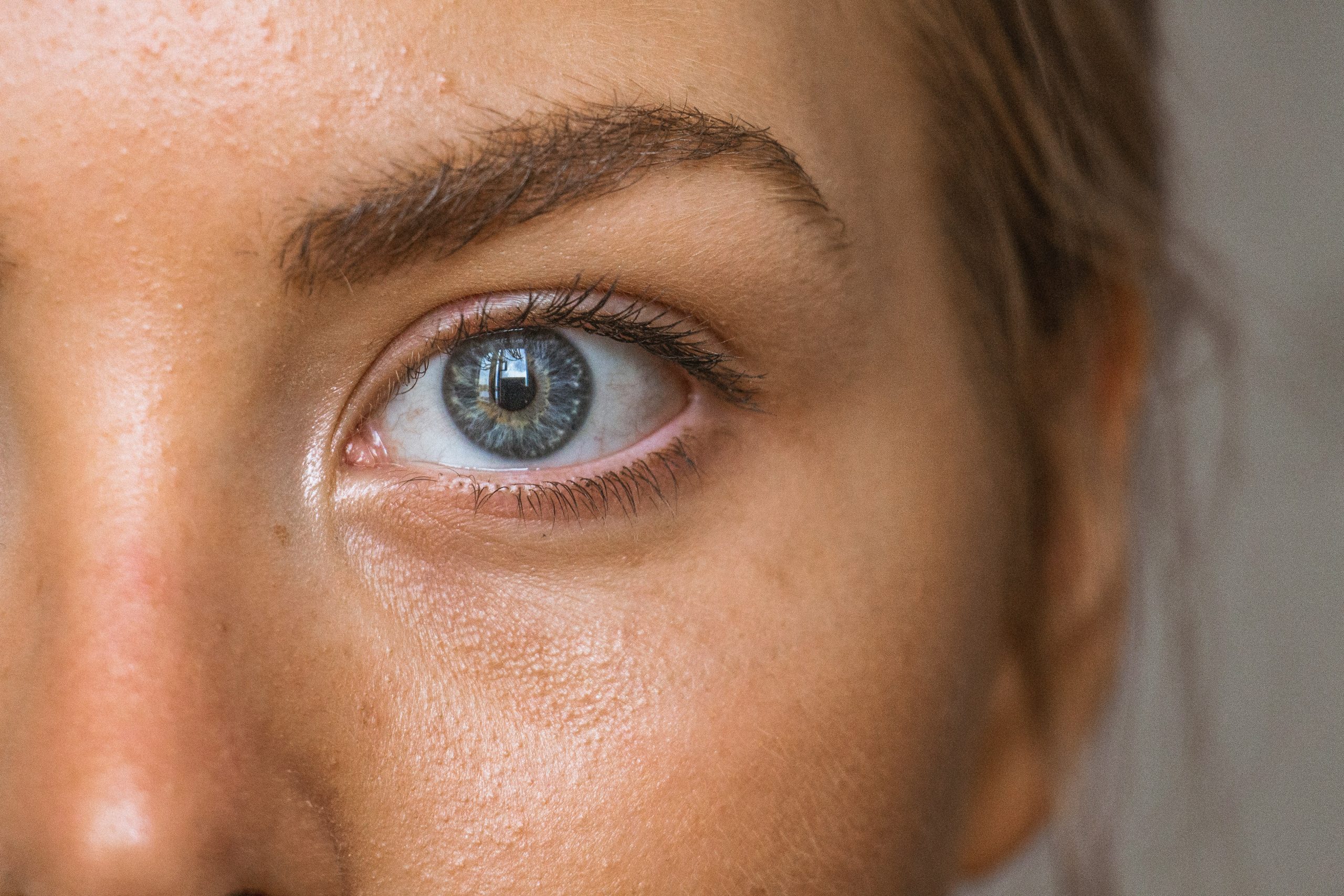
If you ever shine a light on your hand, you'll see the tissues are partially translucent. Some wavelengths They even penetrate deep below the surface, and medical devices use this to monitor blood flow or treat with light. Phototherapy is today a recognized medical method for wound healing and pain relief.
6. Light is older than we think
When you look at the stars, you're actually looking into past. Light from some stars takes millions of years, before it reaches Earth. This means that the star you are seeing right now may no longer exist. This relativity of time and distance also inspires architects in the design of gradual lighting and dimming.
7. Light has a dual nature.
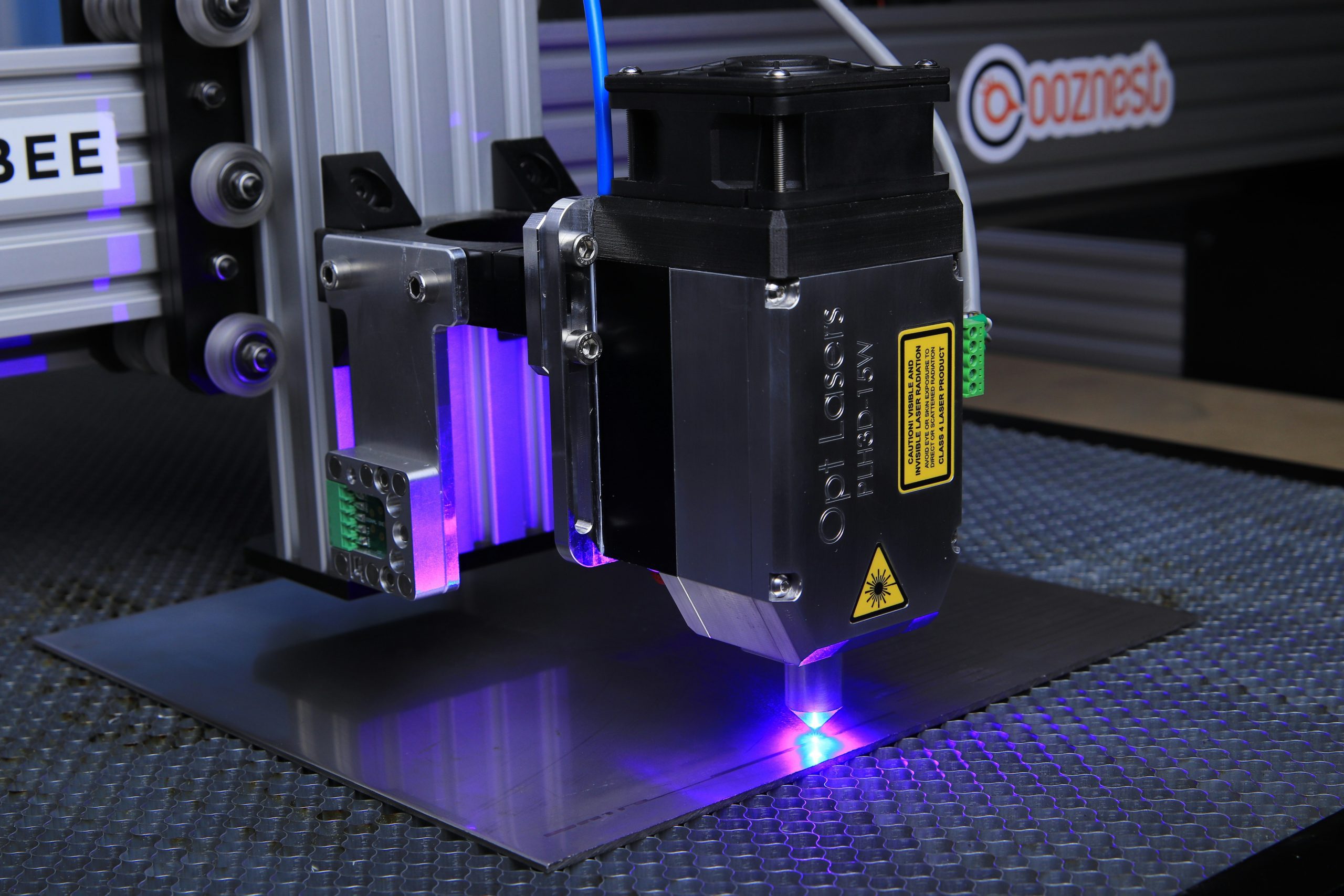
Light behaves like wave as a particle at the same time - this phenomenon is called duality of light. This creates fascinating optical phenomena, such as the bending of rays, interference or the very existence of a rainbow. This property is used by Holographic and laser technology in modern lighting.
8. Does light have mass?
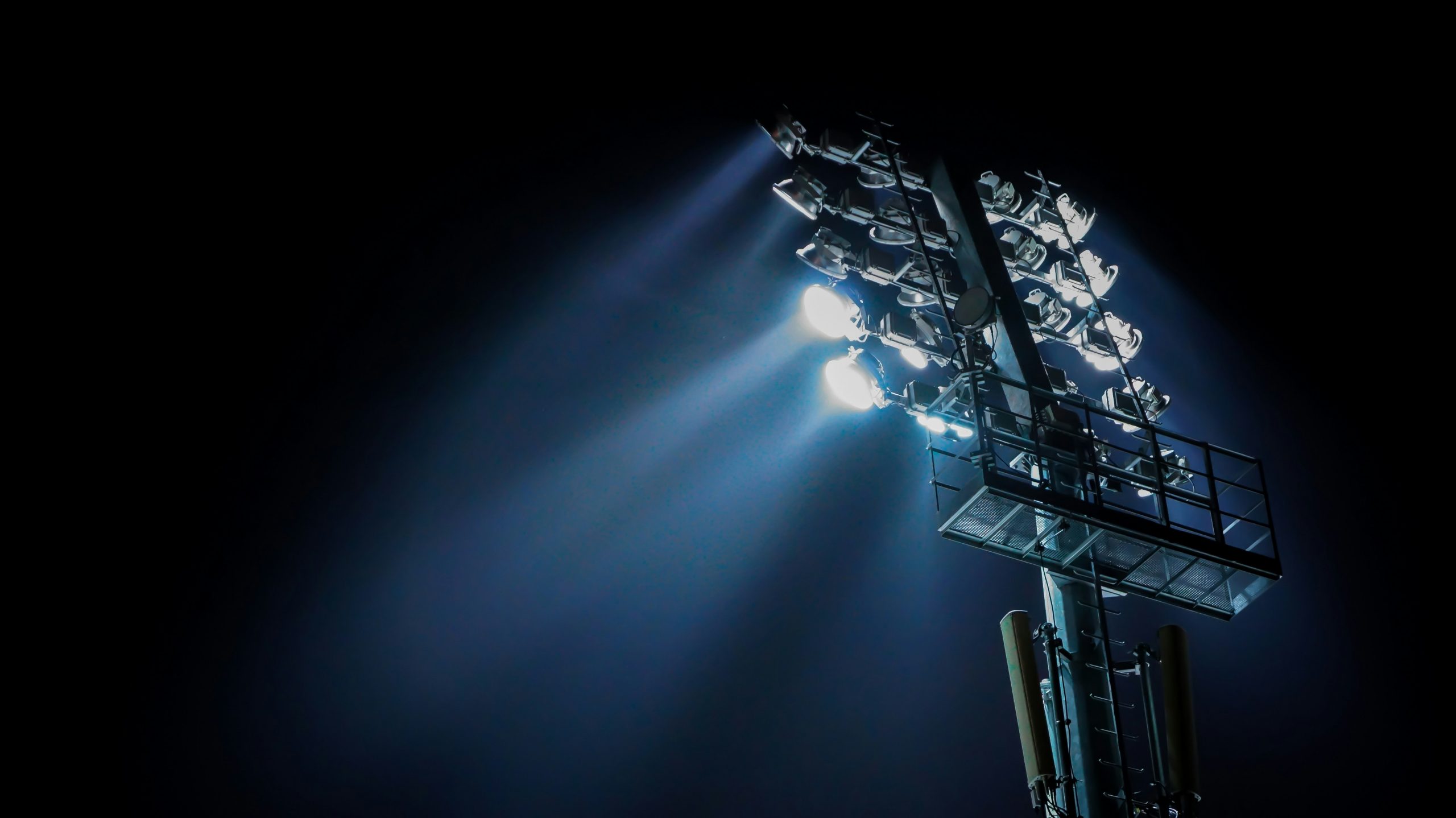
Foton – the fundamental particle of light – has no classical mass. Nevertheless, it carries energy and momentum, thanks to which it can exert a so-called. light pressure. It is even being researched for spacecraft propulsion with „solar sails“. In practice, light pressure is also manifested in strong LED floodlights.
9. You can bend light
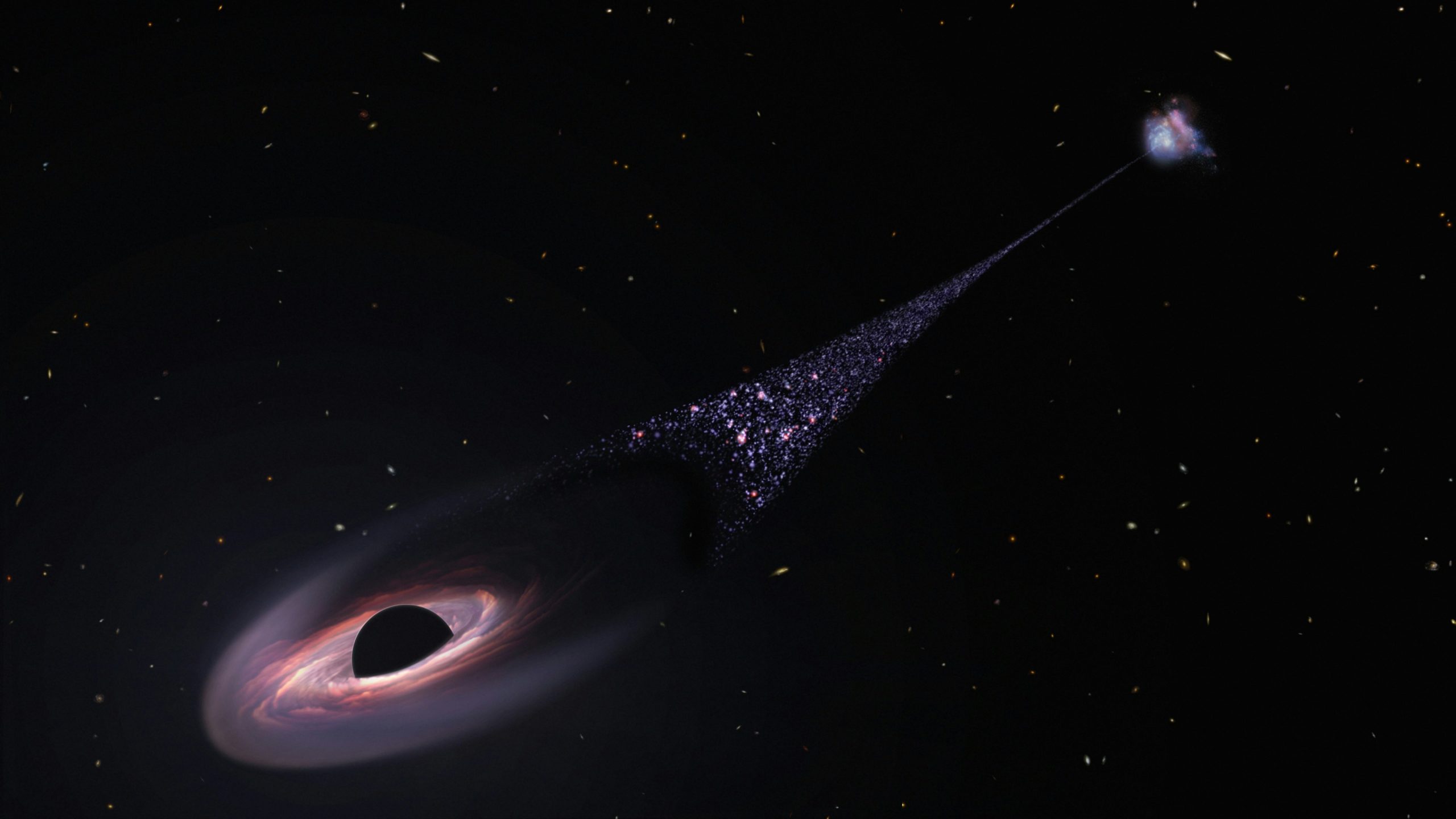
At first glance, light appears to always travel in a straight line. However, in the presence of immense gravity, such as around black holes, the rays bend. This effect – gravitational lensing – allows astronomers to peer into regions of space that would otherwise remain invisible. The bending of light is also used by optical systems in LED luminaires for precise light direction.
10. Lamps made from human fat
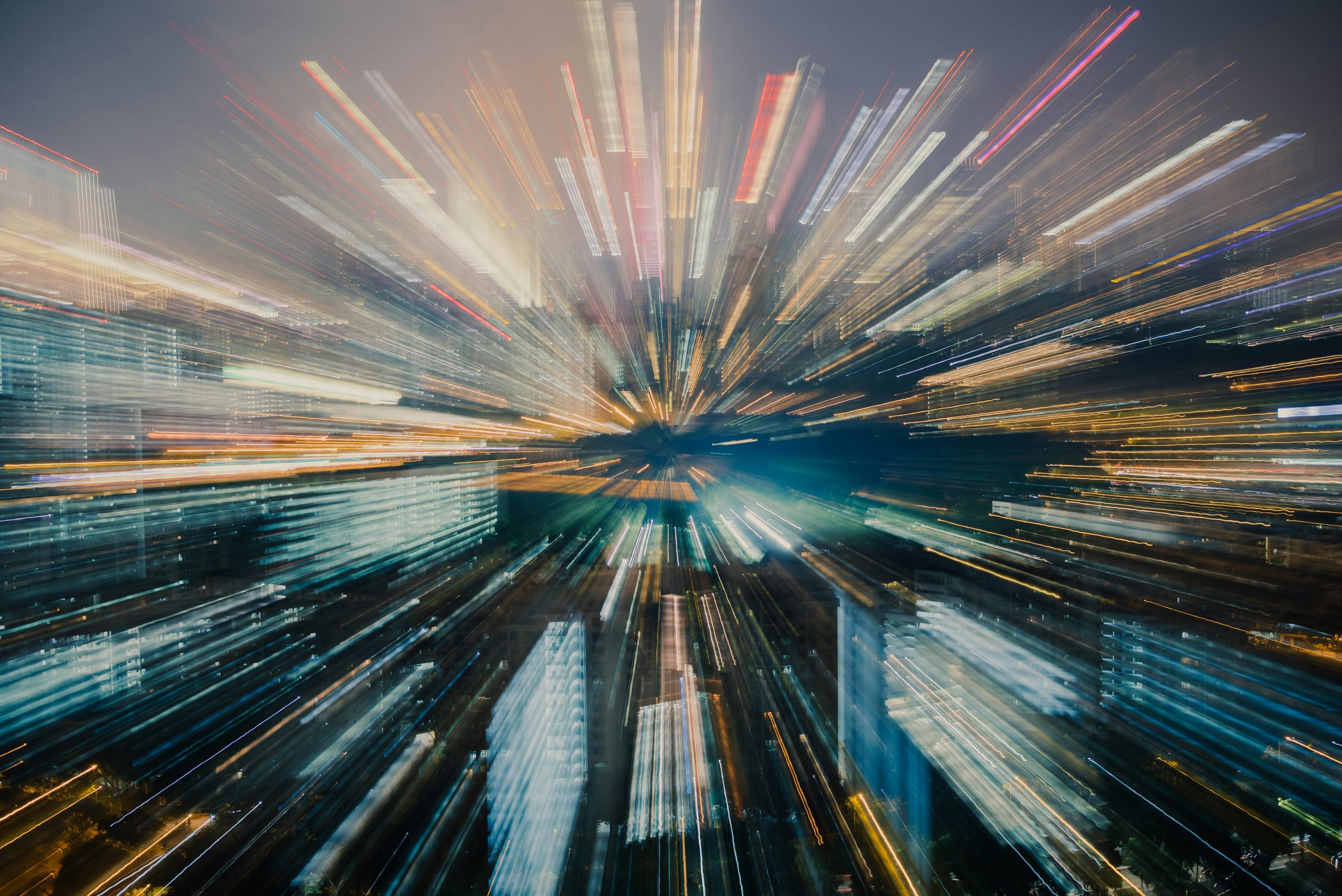
Speed of light is approximately 299,792 kilometers per second. This means it could circle the Earth more than seven times in a single second. It is the highest known speed in the universe, and there is nothing to suggest that anything could surpass it. When you flip a switch, the light in the room turns on practically immediately.
The more we know about light, the better we understand how it affects us and how we can work with it. From choosing the right light bulbs to understanding your own biorhythms, light has more power than it seems. When choosing lighting for your home today, it's no longer just about making it shine. It's about supporting your health, productivity, and well-being.