
TESLAbikář Episode 32 – What is Human Centric Lighting and Why Modern Offices Are Transitioning To It
Human Centric Lighting (HCL) is a revolutionary approach to lighting that emphasizes human needs and natural rhythms.
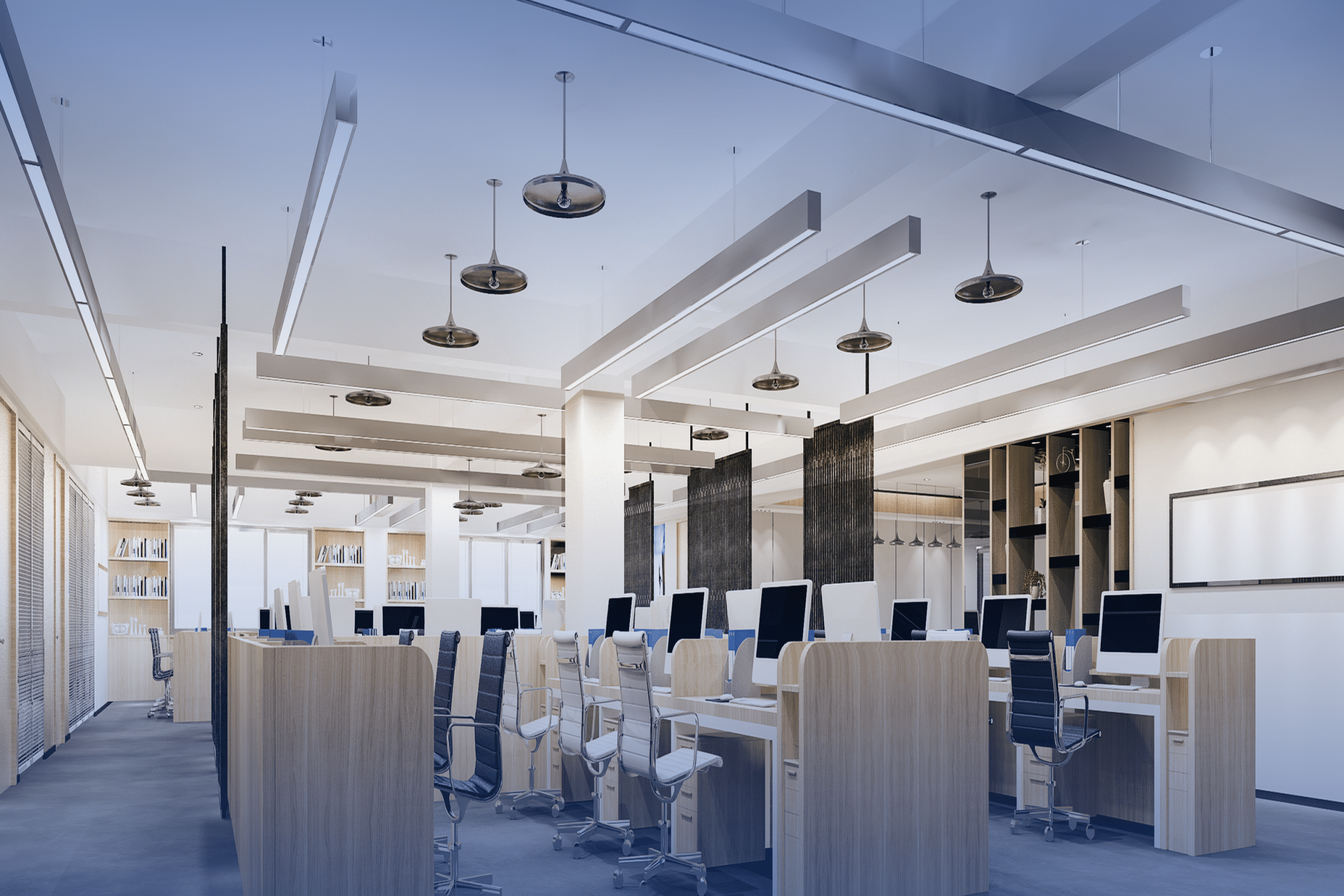
In recent years, there has been increasing talk about the concept of Human Centric Lighting, which is a revolutionary approach to lighting that emphasizes human needs and natural rhythms. Modern offices are increasingly opting to implement this type of lighting to improve the well-being and productivity of their employees. In this article, we will take a look at what Human Centric Lighting actually is and what benefits it brings to the work environment.
What is Human Centric Lighting?
Human Centric Lighting is an innovative approach that focuses on how light affects our health and well-being. The basis of this concept is adapting lighting to human needs, meaning that the intensity and color of light change throughout the day to support natural body rhythm, also known as circadian rhythm.
Circadian rhythm is a term that can be imagined as internal biological clocks that regulate sleep, wakefulness, and various physiological processes. When this rhythm is supported by proper lighting, we can positively influence our performance, mood, and overall health.
How does Human Centric Lighting work?
Lighting within HCL is not static, but dynamic and adapts to the needs of the human body throughout the day. In the morning, when the human body is ready for waking and activity, it provides Intense and cold light, which stimulates cortisol production and helps us focus.
During the workday, the light is bright enough for efficient work while also adapting to changes in the circadian rhythm. In the evening, the light gradually softens, and the color temperature shifts toward warmer tones, which helps the body transition into a relaxed mode and prepares us for quality sleep.
Why are modern offices switching to HCL?
Increased productivity and focus
Research shows that properly adjusted lighting can significantly improve work performance. When the workspace is illuminated in accordance with the body's natural rhythm, employees feel better focused, they feel less tired and are able to achieve better results. Additionally, HCL supports creativity and innovative thinking, which is key for modern companies.
Improving employee health and wellbeing
Lighting adapted to the natural light cycle has demonstrable positive effect on health. It helps reduce stress, improve sleep quality, and even contributes to strengthening immunity. This is especially important for office workers, as long hours spent in inadequate artificial lighting can disrupt the natural circadian rhythm and cause a number of health problems.
Reduction of eye problems and fatigue
Classic office lighting often causes dry eye syndrome, headaches and general eye strain, especially when working with computers. HCL offers smooth transitions between different types of light, which are gentle on the eyes and minimize problems caused by prolonged exposure to inappropriate artificial light.
Flexibility and individual customization
Modern HCL systems are very flexible and can be set according to the needs of a specific employee or the entire team. This means that everyone can have ideal lighting conditions for their work, which increases overall employee satisfaction and work efficiency.
Invest in the future
Human Centric Lighting not just a fashion trend, but long-term solution, which modern offices use to create a healthier and more productive work environment. Studies show that investing in quality HCL lighting pays for itself through reduced morbidity, higher productivity a better employee satisfaction.
If you are also considering upgrading the lighting in your office, transitioning to Human Centric Lighting may be the right way to create an optimal work environment where people feel good and achieve excellent results.