TESLAbikář Part 33 – How Much Light is Too Much? On the Phenomenon of Light Pollution
Light pollution is excessive or misdirected artificial lighting that disrupts the darkness of the night sky and negatively affects nature and human health.
Impact on nature, health, and urban planning
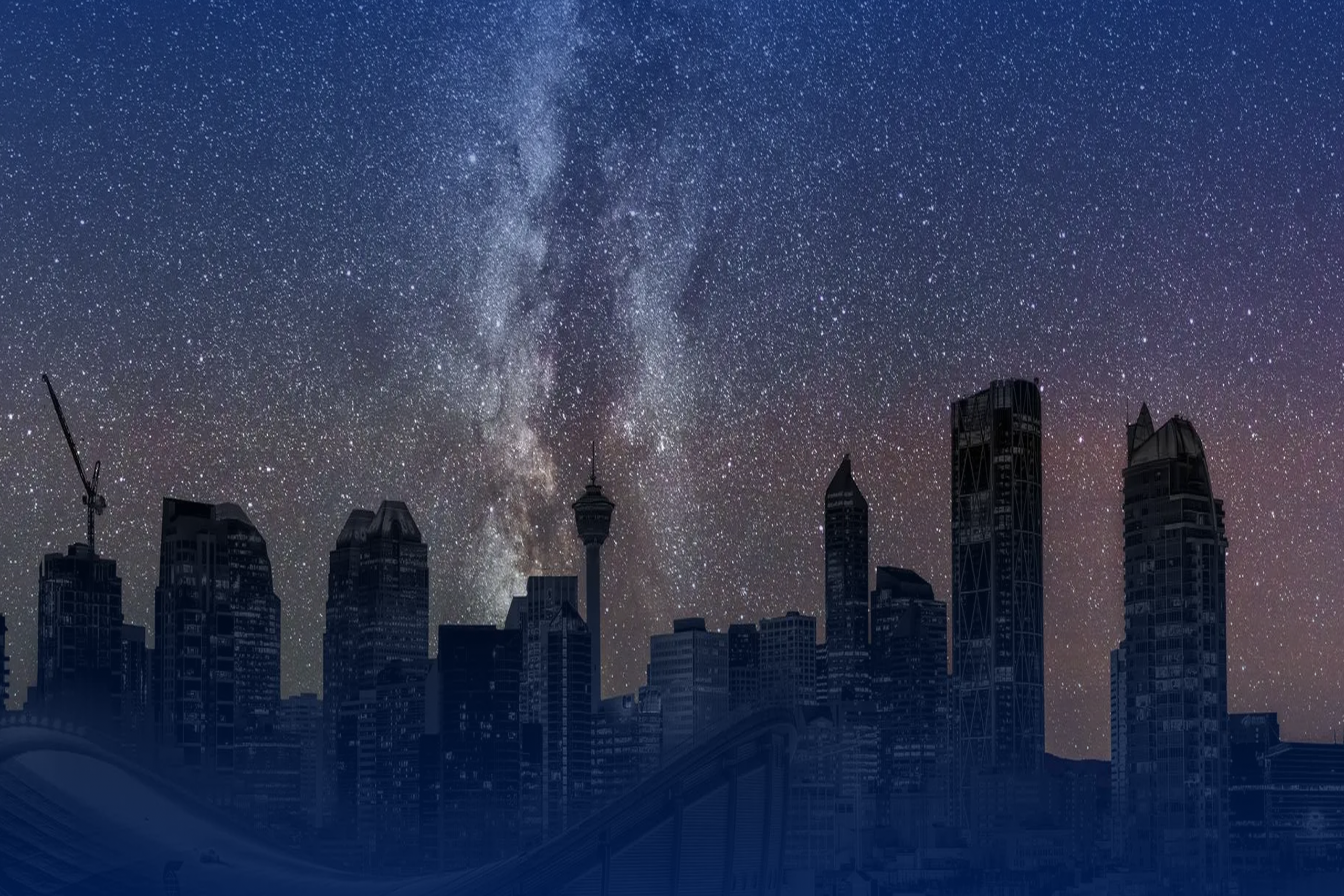
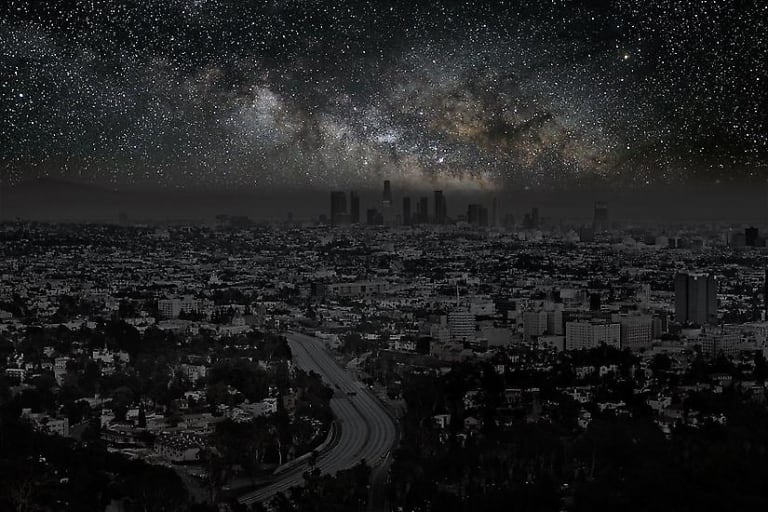
Imagine a city suddenly plunged into darkness. People look up at the sky and see thousands of stars. „Where did they come from?“ many ask. They were always there – our artificial lights just drowned them out.
In the evening, we light up at home, on the street, in shop windows, and on billboards. Light surrounds us so automatically that we forget how precious true TMA. But darkness is irreplaceable for nature - and for ourselves. Light pollution it is a modern phenomenon that has a much greater impact than most people realize.
When the city turns off
In 1994, Los Angeles experienced a blackout after an earthquake. The night sky over the city suddenly lit up – but not with light, but with stars. Emergency hotlines were bursting at the seams. Some people thought they were witnessing a UFO invasion. Others claimed they „saw a strange silver cloud in the sky.“ In reality, it was Milky Way – that most of the city's inhabitants had never seen before.
Something similar happened in Chicago during the 2022 power outage. Social media was flooded with posts about a „mysterious sky“ that looked „different.“ What was once normal is now an experience that evokes wonder – and even concern.
What is light pollution?
Light pollution it's not just clear skies over the city. It includes several specific phenomena:
- Skyglow („sky glow“) – glow that reflects off dust and moisture in the air, obscuring the stars
- Glare – light that is too strong or misdirected, which reduces visibility and fatigues the eyes
- Breaking the darkness – constant brightness in places where it should be dark (e.g., in natural areas)
The consequence is not only the loss of the beauty of the night sky but also the disruption of the natural biological rhythms of entire ecosystems.
How does nature suffer?
Animals have adapted to the natural rhythm of light and dark over millions of years of evolution. Nocturnal animals hunt in the dark, birds migrate by the stars, turtles lay eggs to dark beaches. When night is drowned out by light, chaos ensues.
Baby sea turtles, which should instinctively head toward the reflection of the moon on the water's surface, are confused and go in the wrong direction – toward artificial lighting. Birds crash into illuminated buildings. Insects become exhausted circling street lamps and die. And as insects disappear, entire food chains suffer.
Impact on human health
Artificial light also significantly affects human health. Our bodies need darkness to produce melatonin – a hormone that regulates sleep, immunity, and even mood. Excessive nighttime light can cause:
- Sleep cycle disorders
- Chronic fatigue
- Elevated stress levels
- Long-term and more serious health problems
Blue light LEDs (used in electronics) additionally suppress melatonin production more significantly than traditional light sources.

Solutions for the Future: Smarter, Not Stronger, Lighting
City planners and architects are starting to become aware of this problem and are looking for effective solutions. Instead of installing ever-stronger lamps, a new approach is emerging for lighting our cities and homes.
Smart lighting includes light fixtures that are activated only when needed using motion sensors and simultaneously direct light beams precisely where they are needed, thereby minimizing spill into the surroundings and towards the sky. Furthermore, an important role is played by temperature-optimized light The current trend favors warmer tones below 3000 K, which disrupt the nocturnal ecosystem significantly less than the previously popular cool white light.
What can you do?
Even small changes at home or in the garden can have a big impact. Try turning off lights when they're not needed, or get fixtures that only illuminate where they're supposed to. Nature at night will thank you.
- Choose luminaires with a downward-facing shade, to the surroundings and to the sky
- Consider motion sensors instead of all-night lighting
- Prefer LED bulbs with warm white light
Light with respect for nature
Light is an amazing invention that has changed human civilization – when we use it wisely. And next time you see the starry sky in all its beauty, remember that it's not a given, but a gift. In an era of increasing illumination of our cities, darkness may become the greatest luxury.