TESLAbikář Part 30 – Top 10 Crazy Lighting Features That Will Give You Chills!
Light – a given today, a rarity in the past. How did our ancestors deal with what we would consider curious today?
Light. So self-evident, and yet so rare for most of human history. While today we choose from thousands of designer lamps and LED technologies, our ancestors were forced to experiment with materials that seem completely unimaginable to us today. From the use of dead animals to radioactive materials – humanity's age-old desire to dispel darkness led to methods that teeter on the edge of genius and madness. Prepare for a journey into the dark corners of lighting history that might raise your eyebrows or even turn your stomach.
10. Knots from cow stomachs
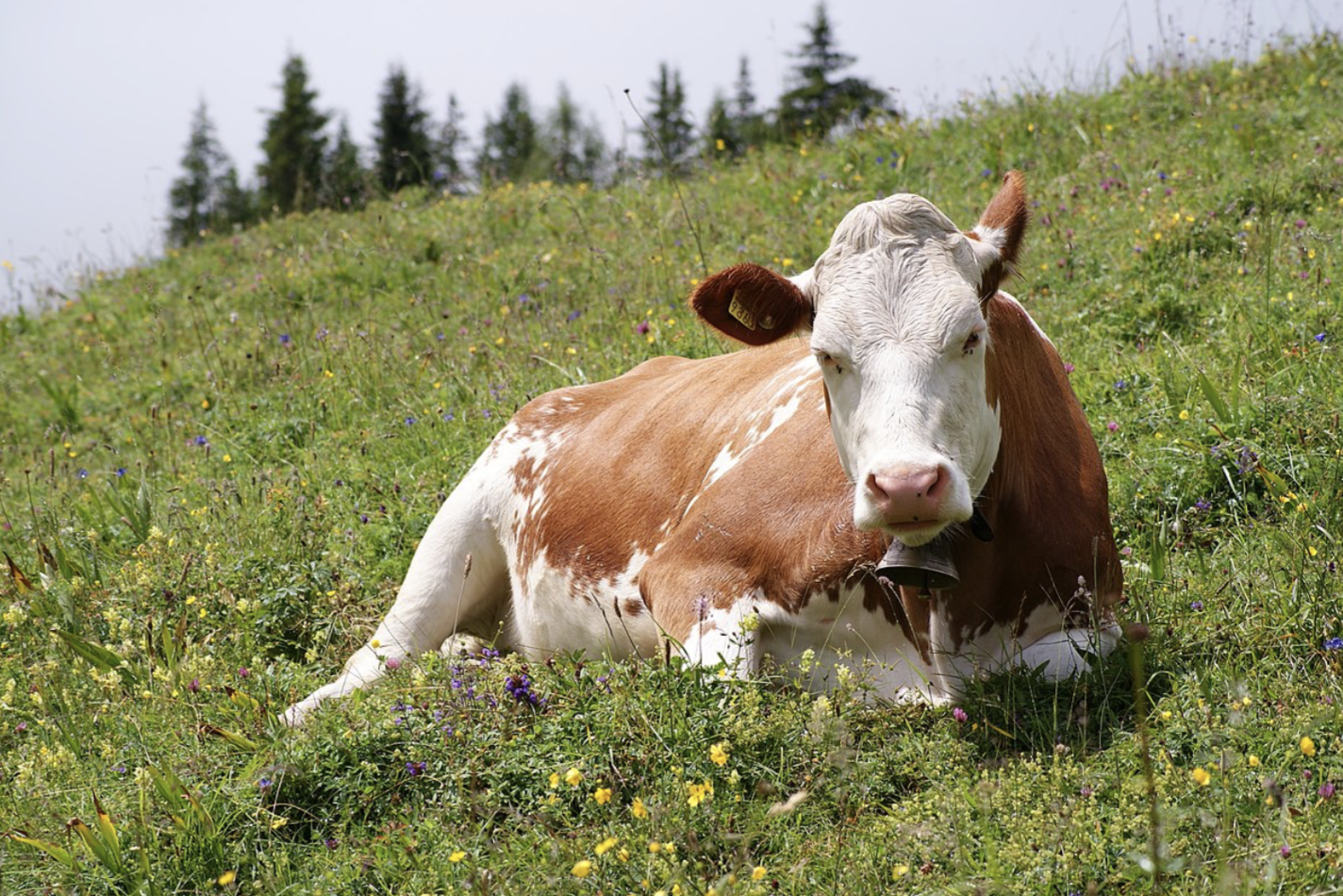
Medieval Europe was characterized by practicality and the use of whatever was available. When poorer people couldn't get quality lamp wicks, they used dried and stretched fibers from cow stomachs. These wicks, once soaked in fat, burned longer than common textile alternatives, but at the cost of an unpleasant odor and suffocating smoke that filled the room.
9. Inuit oil lamps (Qulliq)
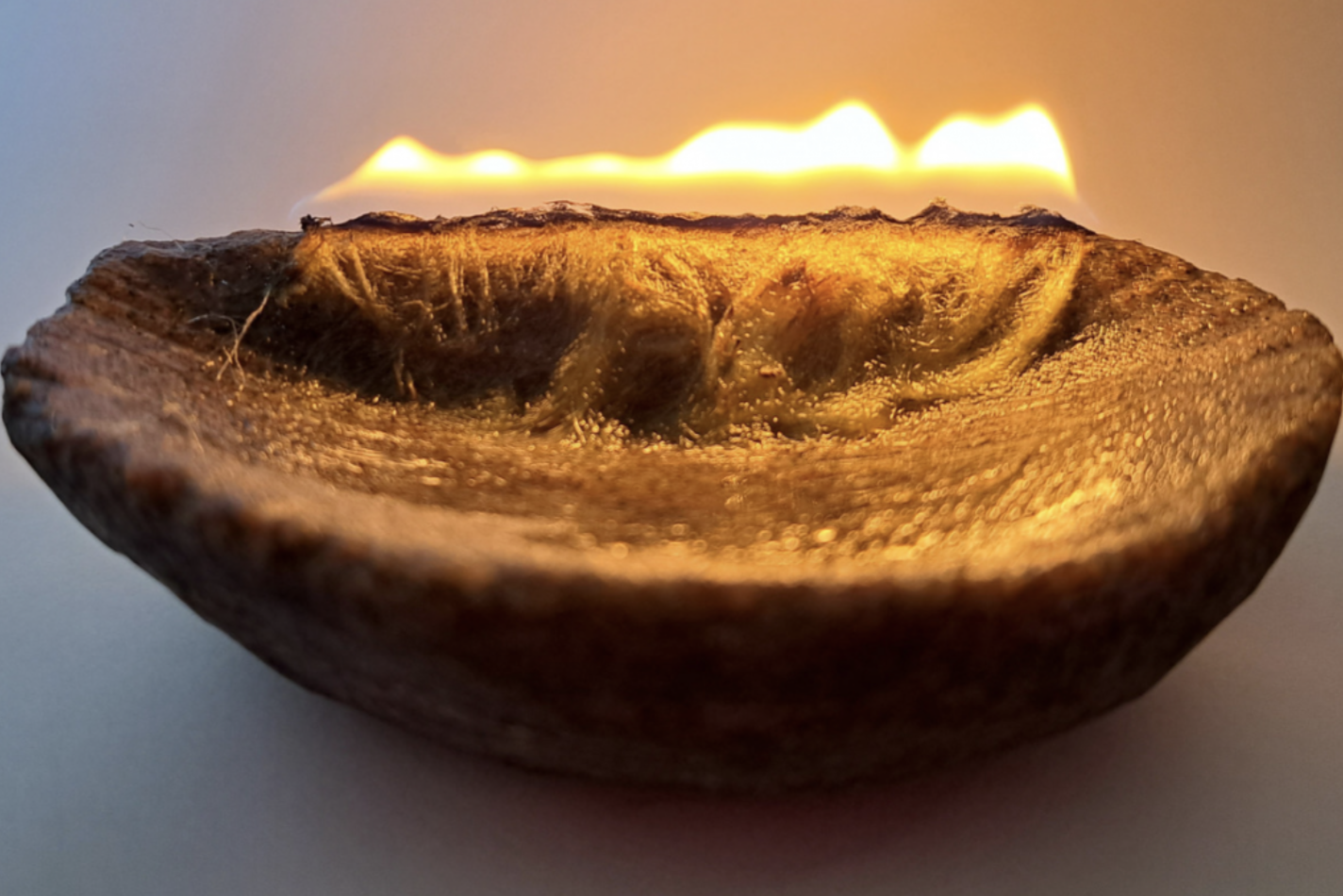
In the harsh Arctic conditions, the Inuit developed a brilliant solution – the flat stone lamps called kudlik. Filled with seal and whale oil, these lamps provided not only vital light during the long polar nights but also warmth essential for survival. The small but stable flame was perfectly adapted to the extreme conditions.
8. Radioactive illumination
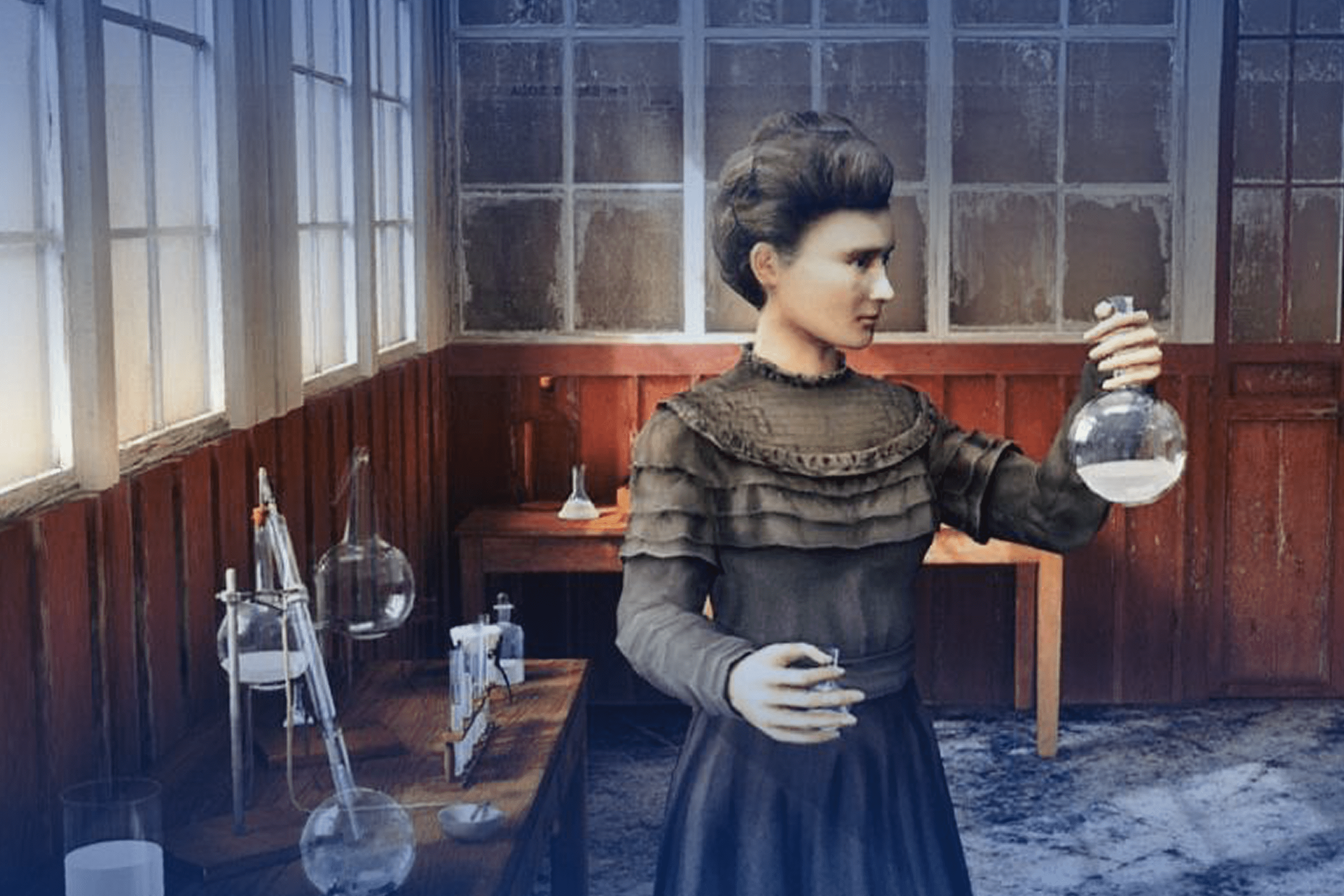
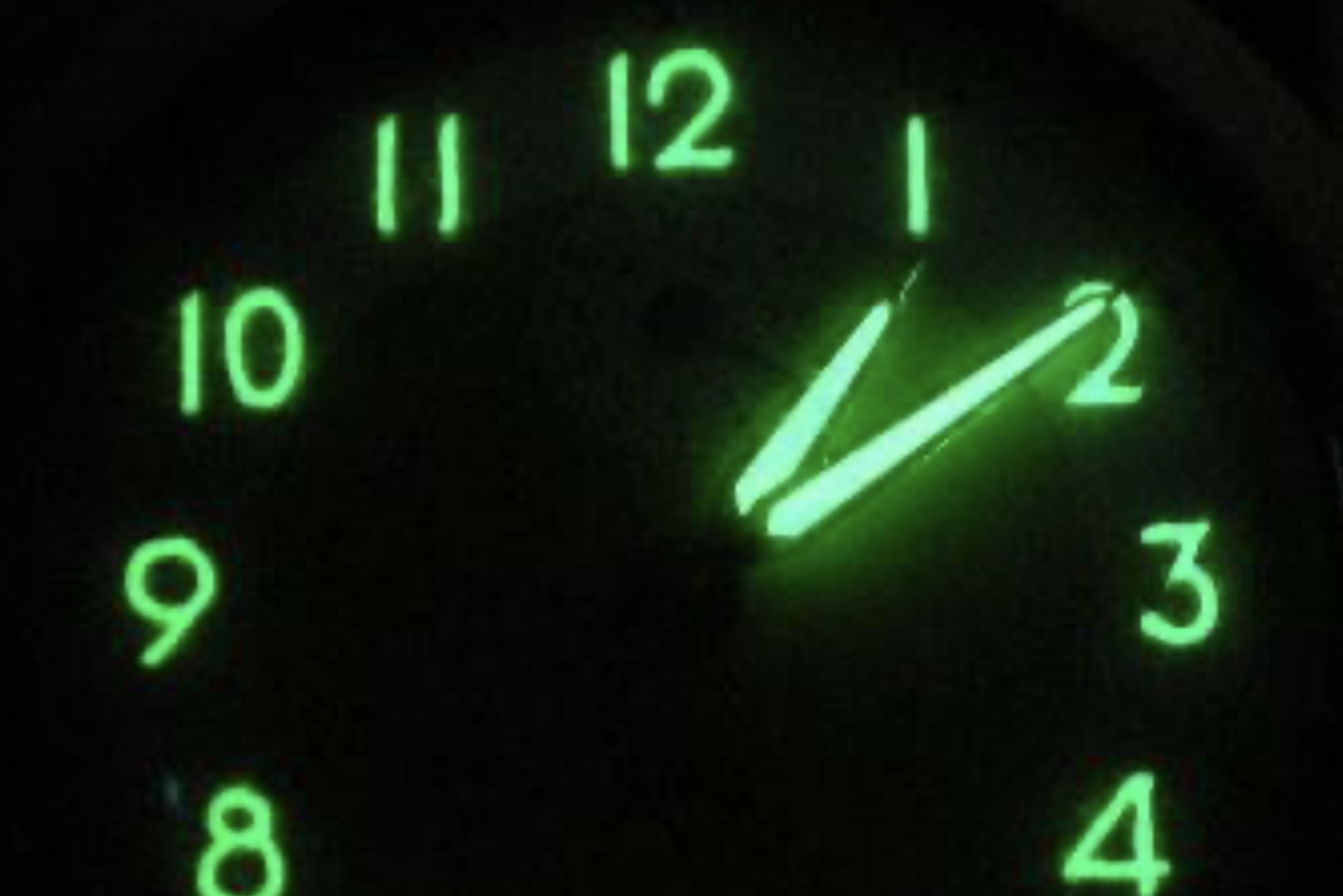
The beginning of the 20th century was fascinated by radioactivity. Before its dangerous effects were revealed, radium was used to produce „miraculous“ lamps and watch dials that glowed without the need for fuel or electricity. These objects still faintly radiate today, a reminder of a time when people unknowingly risked their health for a little light.
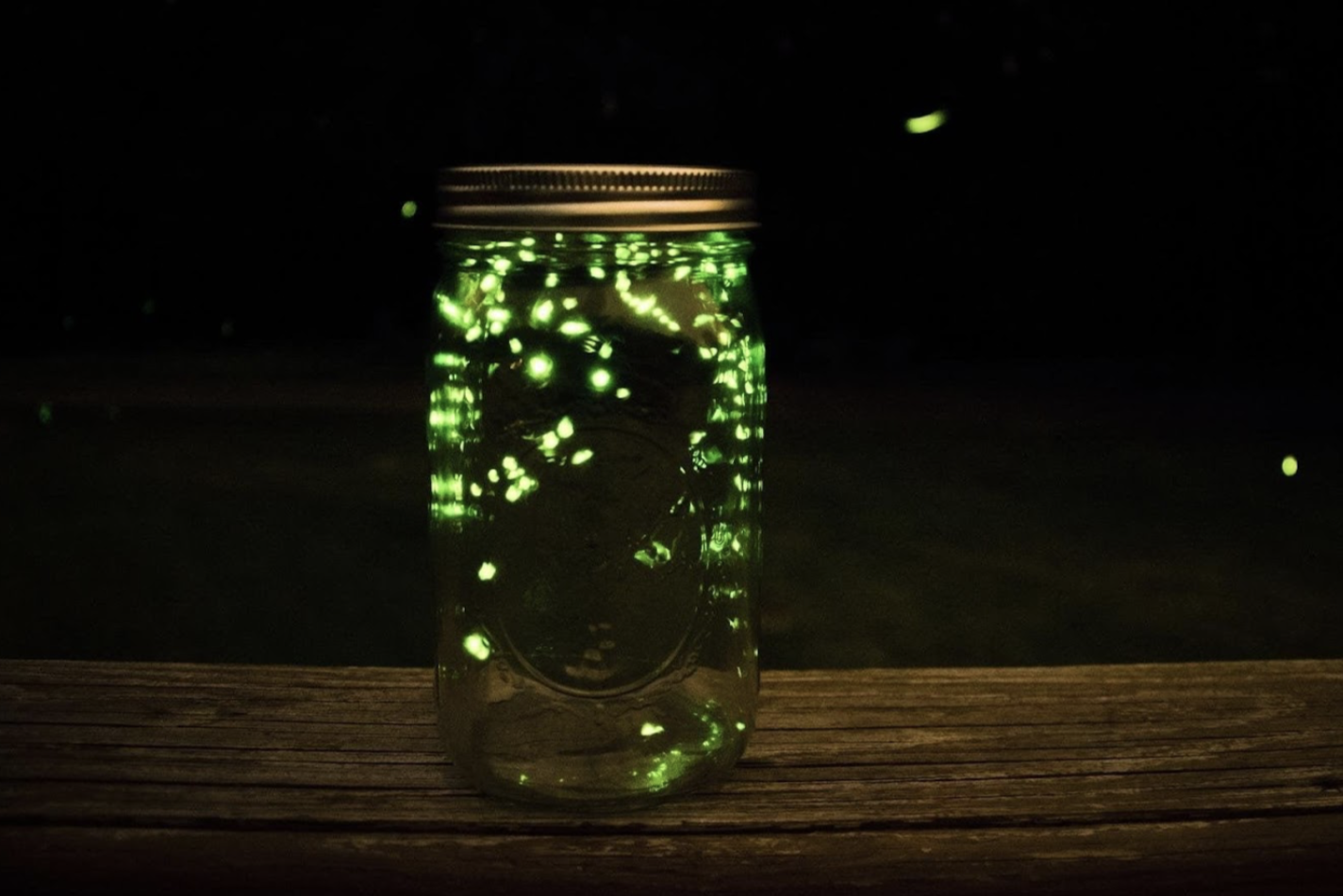
7. Fireflies in a jar
In tropical regions, people found an elegant solution in nature itself – fireflies enclosed in small glass spheres created natural lighting. Although a short-term solution (the insects died quickly), these living lanterns must have created a magical atmosphere during nighttime journeys through the jungle.
Walrus oil
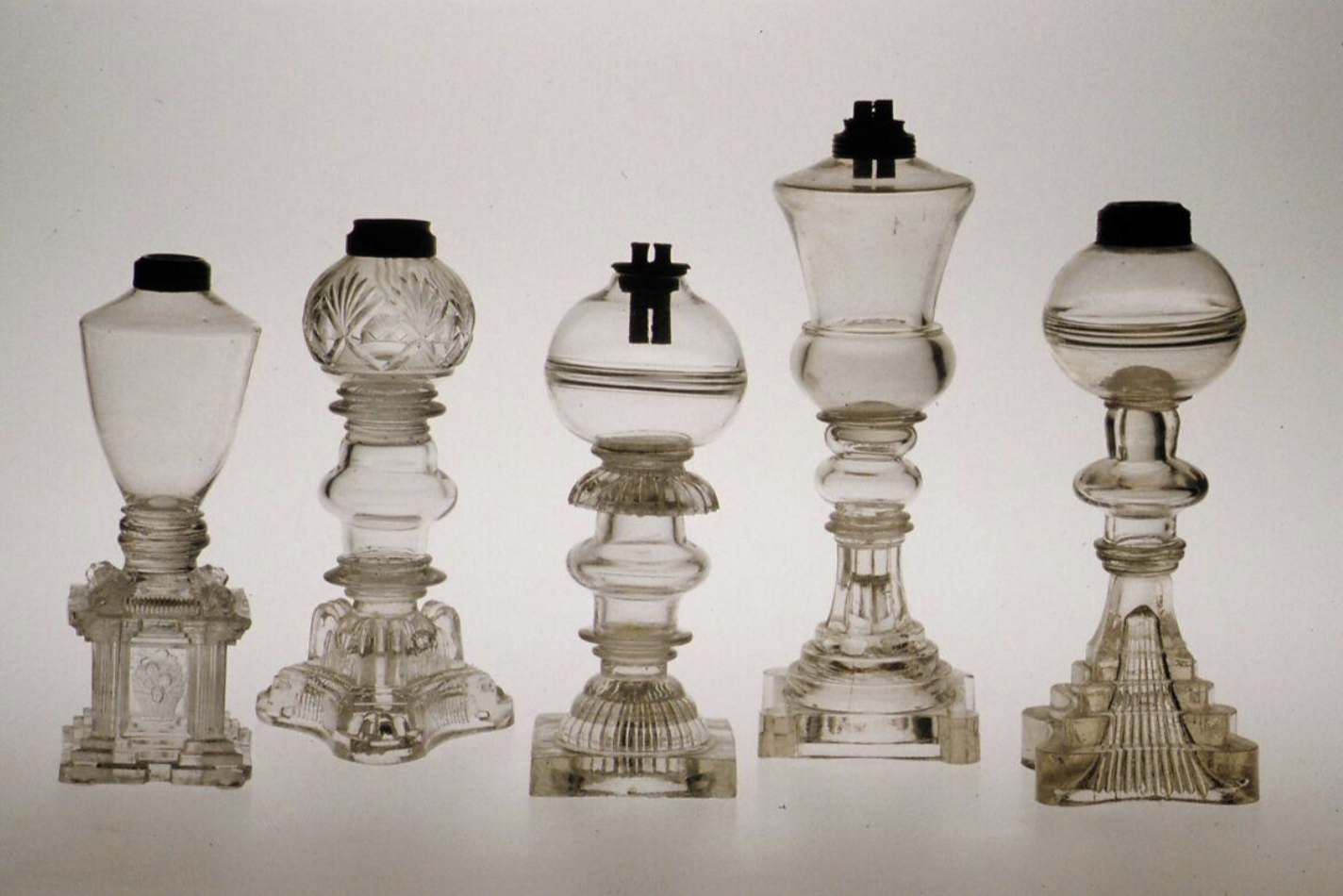
The whaling industry of the 17th to 19th centuries was primarily driven by the demand for high-quality lamp oil. Sperm whale blubber provided a brighter and cleaner light than plant-based alternatives, making it a luxury commodity. However, this method of illumination had tragic consequences for the populations of these majestic marine mammals.
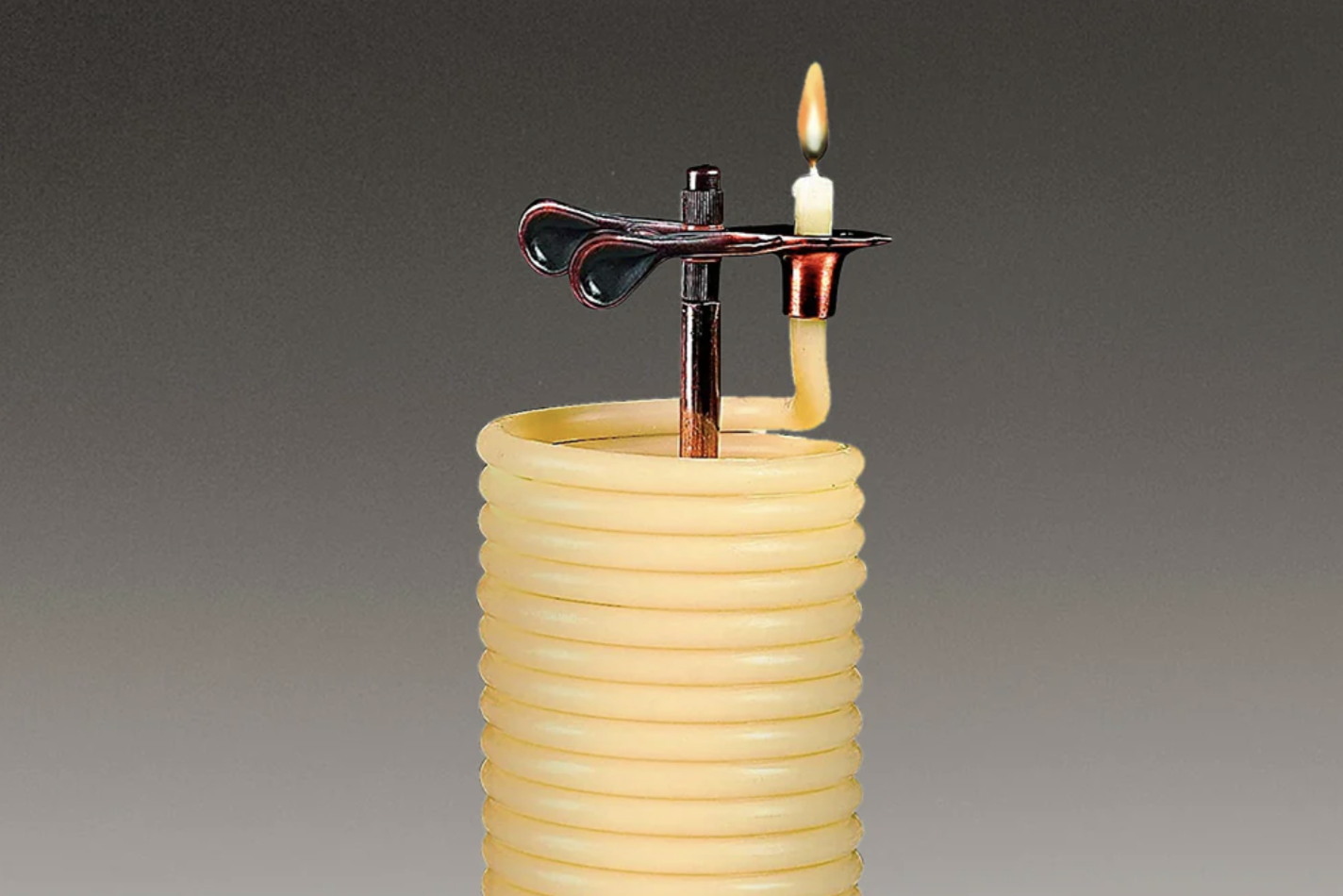
5. Burning Ropes
In medieval times, ordinary households often used simple ropes soaked in fat or wax instead of expensive candles. Hung from the ceiling, sometimes twisted into spirals for longer burning, they offered an inexpensive alternative – unfortunately, with a high risk of fire and heavy smoke.
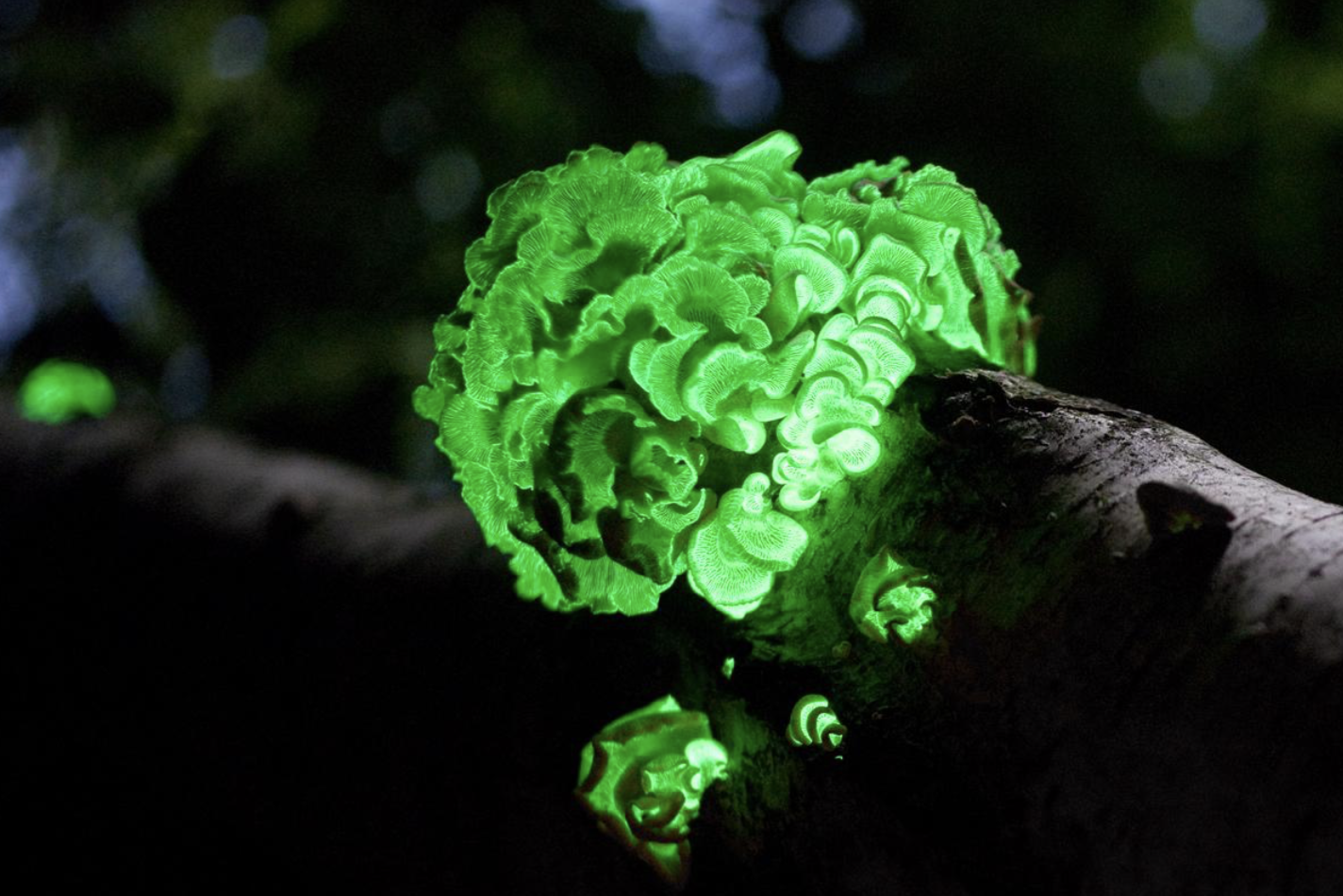
4. Bioluminescent Fungi
In the dark forests, our ancestors discovered natural light emitted by some fungi. Species like Panellus stipticus produce a faint greenish light that, while not bright enough for working, at least allowed for basic orientation in complete darkness.
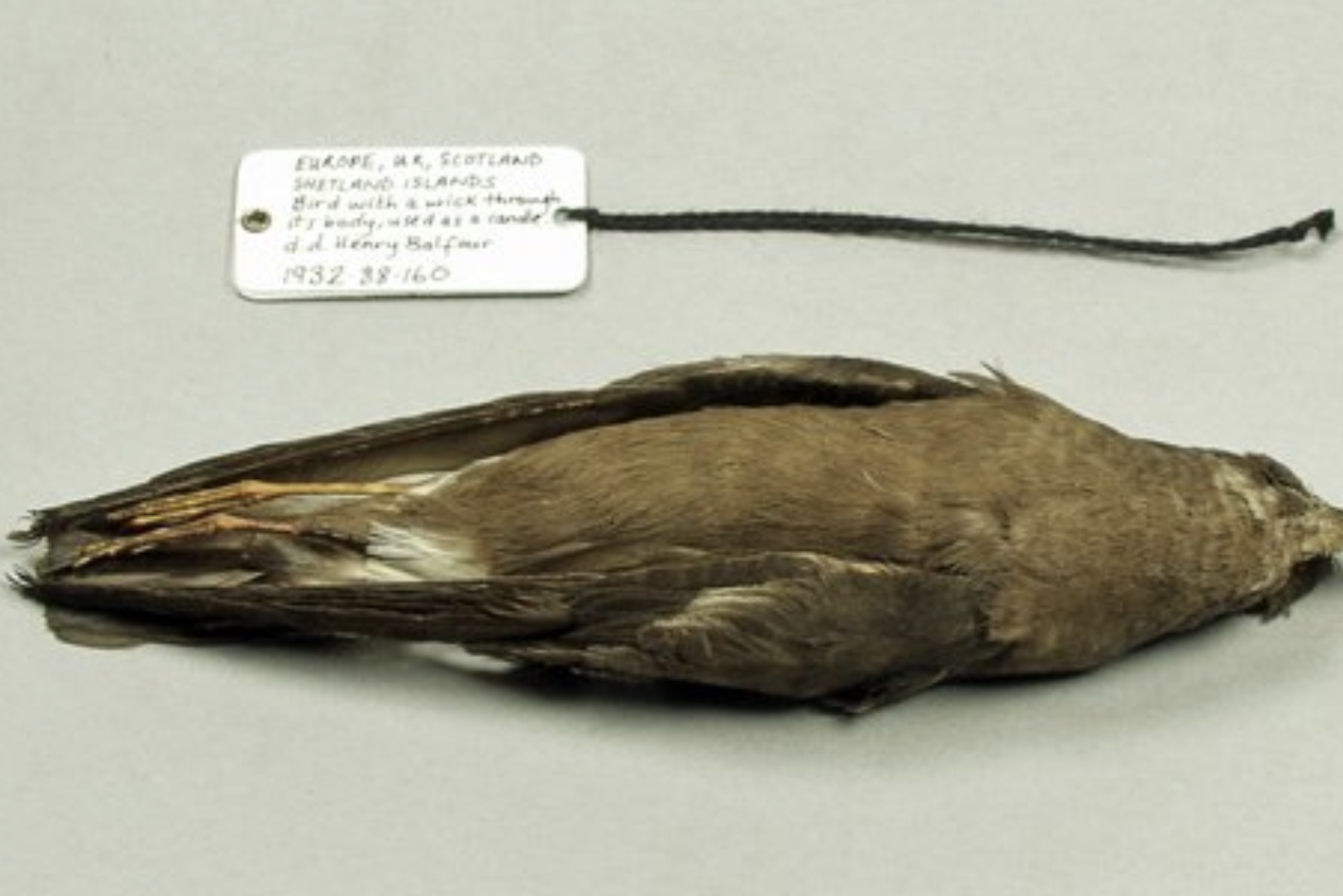
3. Seabirds
One of the cruelest ways of lighting was used by Nordic seafarers, who in extreme conditions lit the fatty.
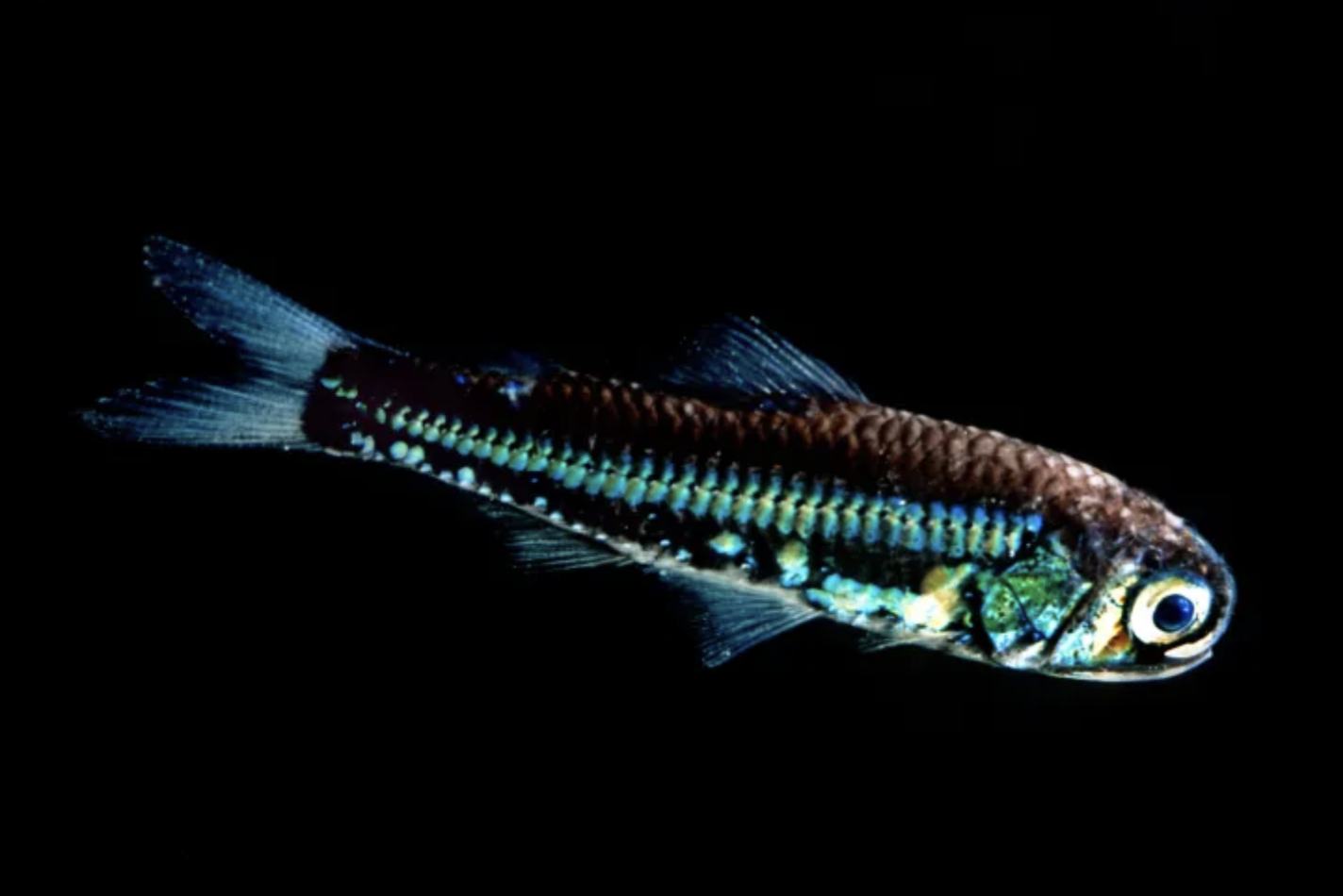
2. Glowing Fish
Ingenious people in some parts of Asia used fish infected with phosphorescent bacteria as natural night lights. Stored in special containers, these living lamps required care but rewarded their owners with a soft, natural illumination.
1. Lamps made of human fat
The most terrifying chapter in the history of lighting is the use of human fat as fuel for lamps. During some dark periods of history, the remains of criminals, fallen soldiers, or victims of disease were „recycled“ in this appalling way, reflecting both the desperate need for light and a lack of ethical restraint.
And you?
The next time you visit our e-shop When choosing the perfect lighting for your home, remember your ancestors, who would have given anything for such a luxury. We live in a time when quality lighting is available at the click of a button – no radioactivity, no whale blubber, and definitely no need to ignite anything living. We owe this convenience to generations of inventors who weren't afraid to experiment, sometimes at the cost of their own health. Which of these historical methods surprised you the most?